Publications

A record of inquiry.
A view of what comes next.

Peer-reviewed work and public manuscript versions, linked through one enduring record for each study.

32 records

Peer-Reviewed Publications

2026Peer-reviewed article

A Practical Guide to Conditional Mediation Analysis With GSCA: Method, Simulation, and Software

In-Hyun Baek · Gyeongcheol Cho · Heungsun Hwang

Structural Equation Modeling: A Multidisciplinary Journal

Methodology
Structural Equation ModelingSoftwareTutorialSimulation Study

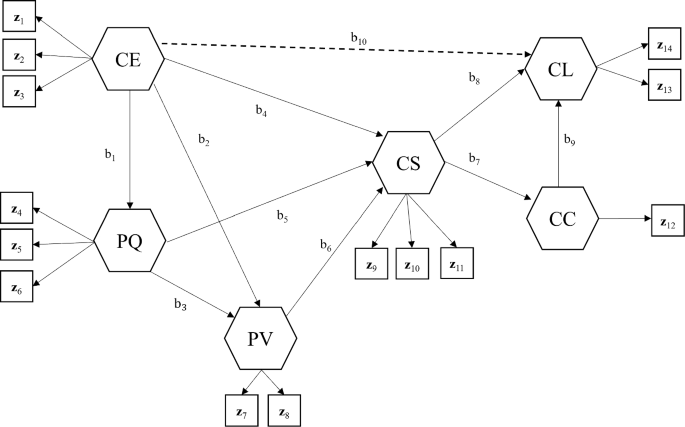
A practical tutorial on conditional mediation analysis with generalized structured component analysis, covering method, simulation, and software.

Author’s introduction (LinkedIn)

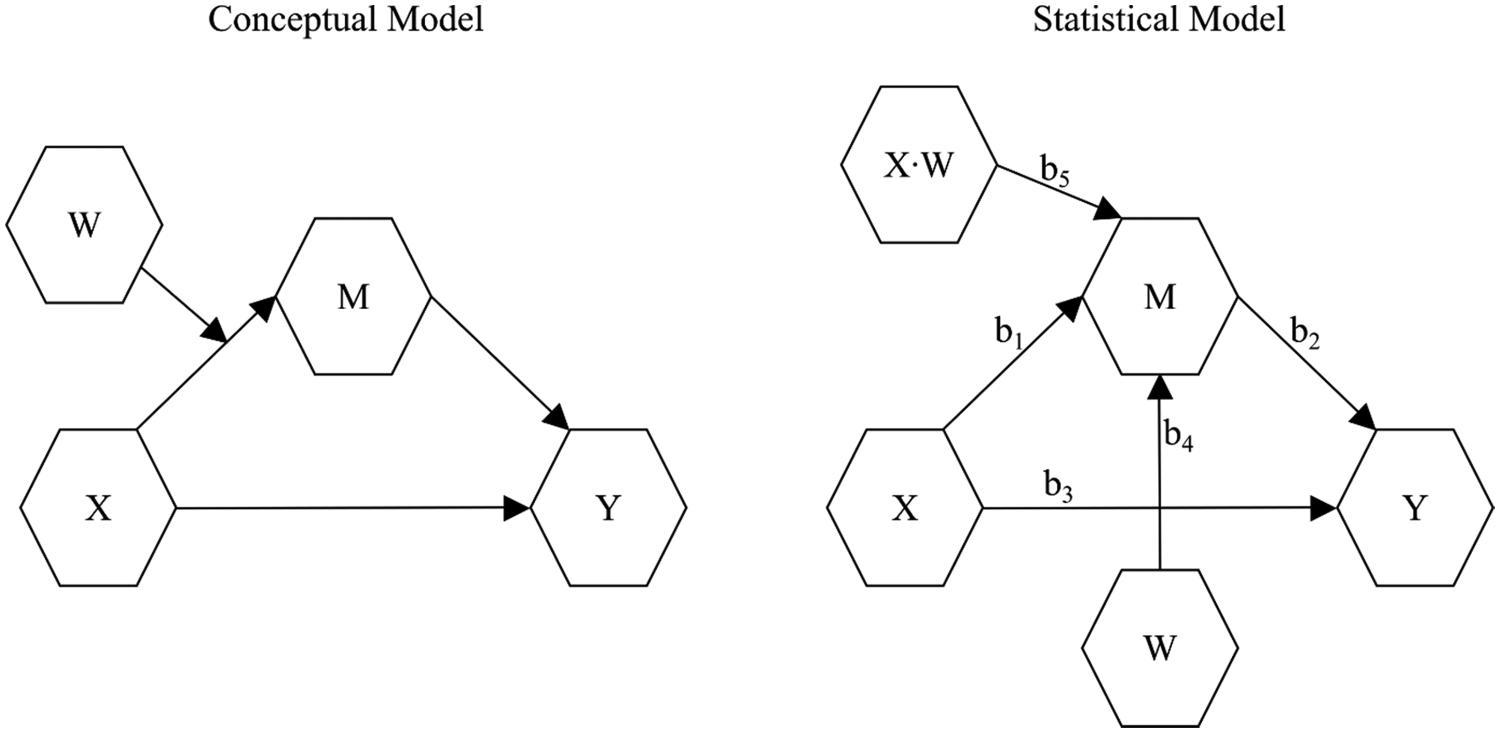
Two diagrams for conditional mediation Model A: W moderates the X-to-M path; the statistical model includes the X-by-W interaction along with paths from X, W, and the interaction to M, followed by M to Y.Figure 1 · View figures
2026Peer-reviewed article

Modeling Conditional Dependencies Between Recidivism and Cognitive Emotion Regulation Strategies Among Prisoners Using a Bayesian Network With Interpretable Summary Indexes

Choi, Y. · Cho, G.

PLOS One, 21(8), e0352880

Applications
Structural Equation ModelingMachine Learning/AI

Bayesian networks and interpretable summary indexes are applied collaboratively to questions about recidivism and cognitive emotion regulation.

Journal DOI: 10.1371/journal.pone.0352880 Open access

Preprint DOI: 10.31234/osf.io/c7zkb_v1

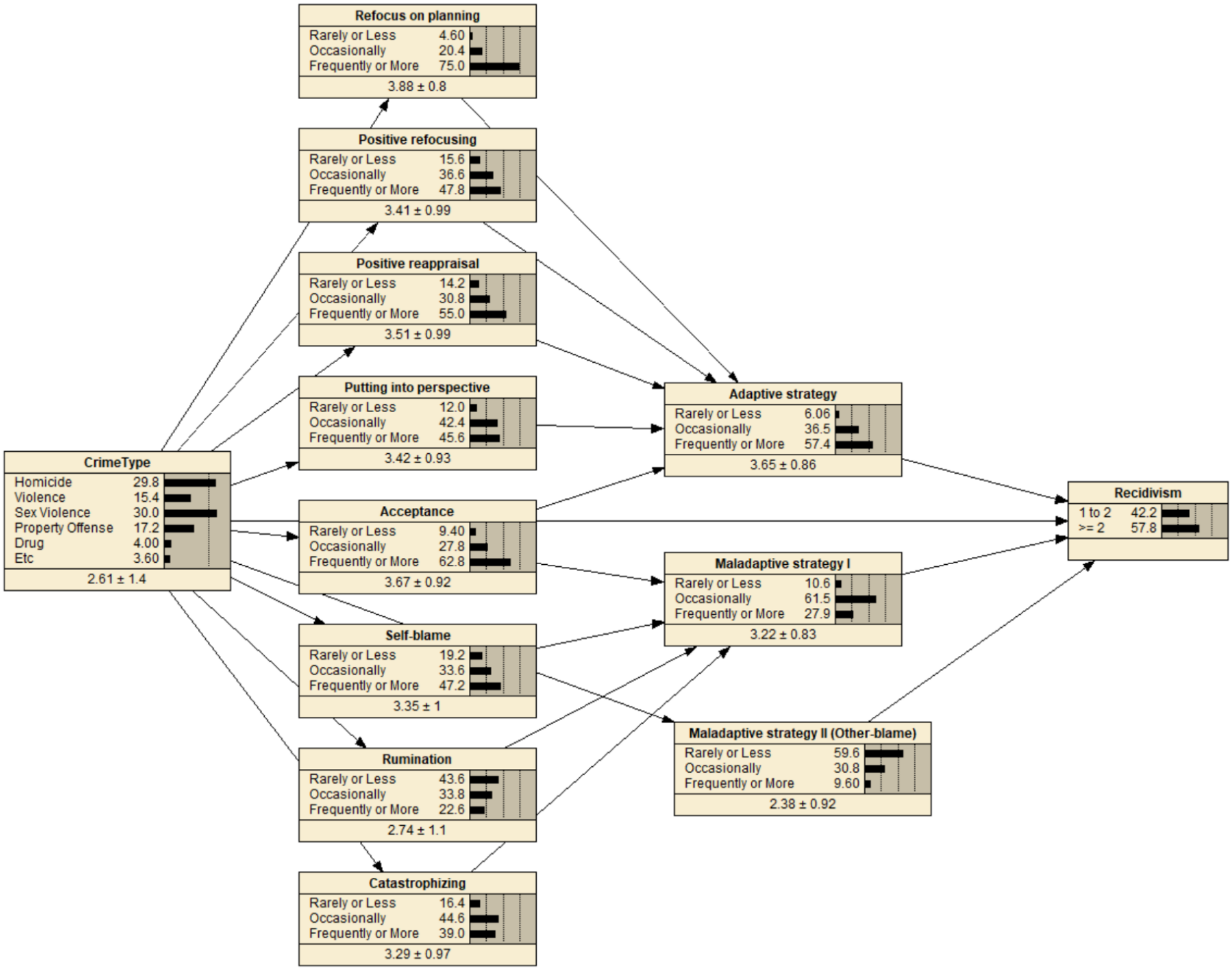
Bayesian network for cognitive emotion regulation strategies and Recidivism.Figure 2 · View figures
2026Peer-reviewed article

Power Analysis in Generalized Structured Component Analysis: Implementation in GSCA Pro

Shen, Z. · Baek, I.-H. · Cho, G. · Hwang, H.

Structural Equation Modeling: A Multidisciplinary Journal, 33(4), 638–647

Methodology
Structural Equation ModelingSoftwareTutorialSimulation Study

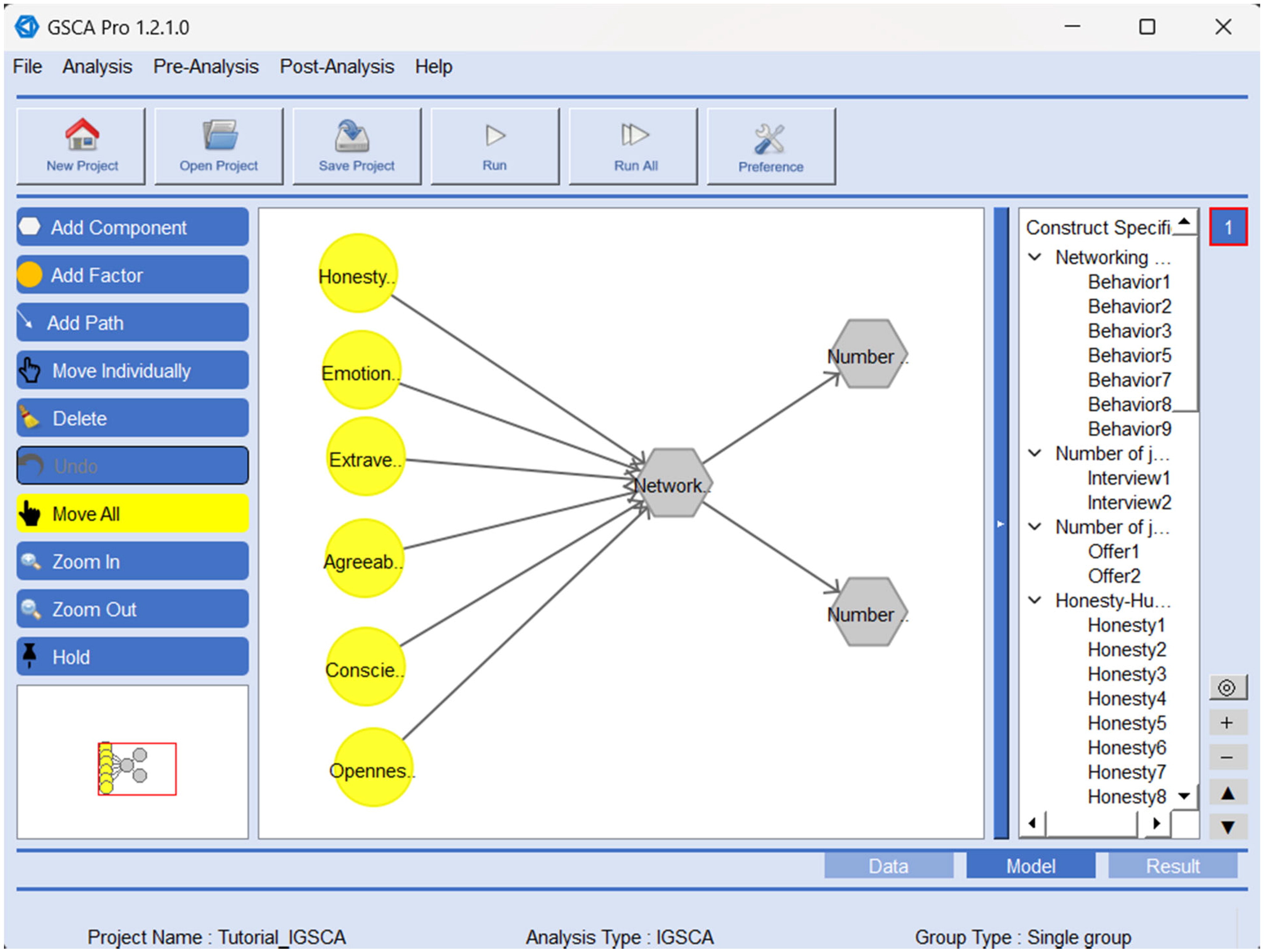
Power analysis for generalized structured component analysis, with implementation guidance using GSCA Pro.

Author’s introduction (LinkedIn)

Journal DOI: 10.1080/10705511.2026.2622404 Open access

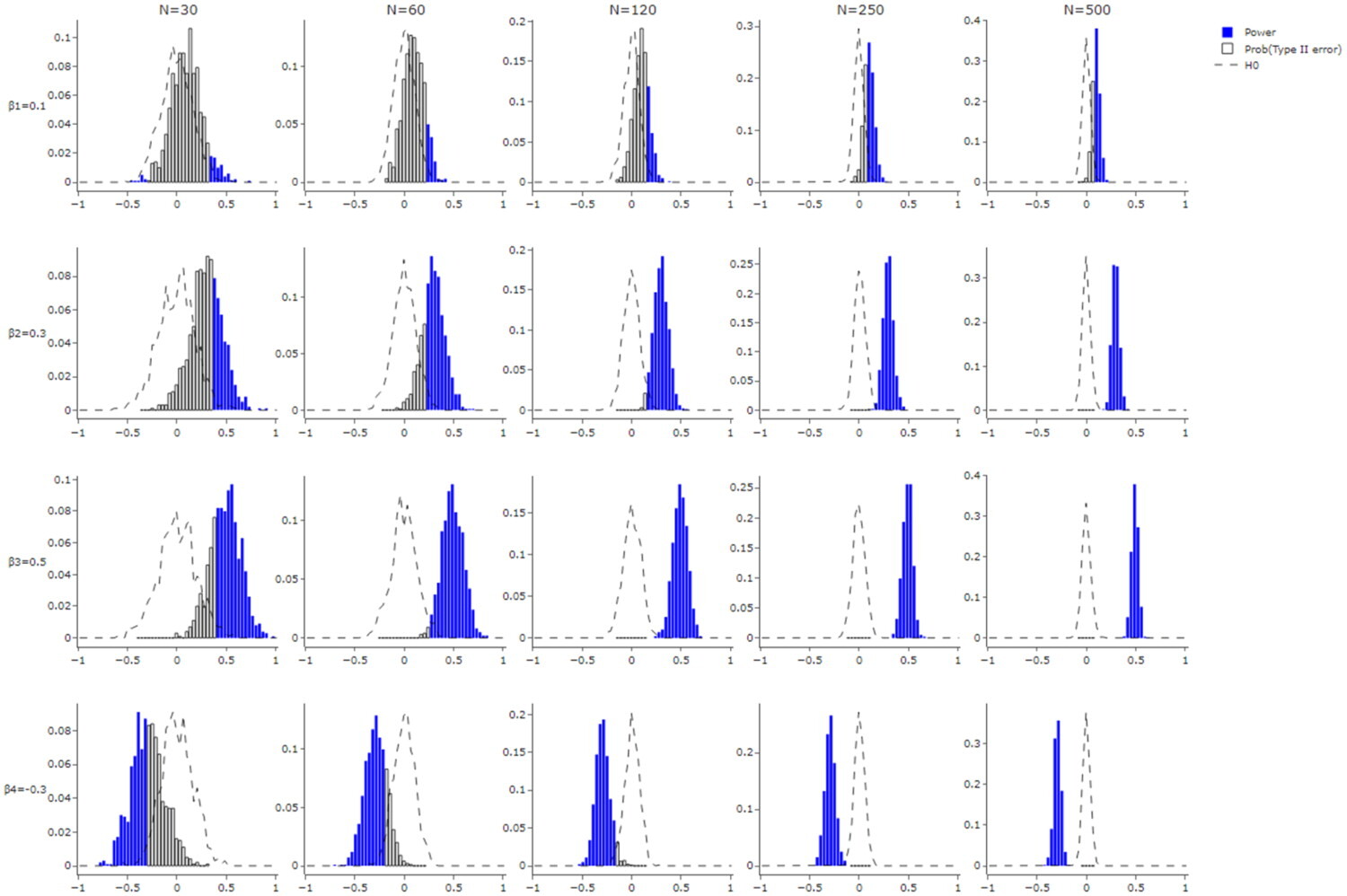
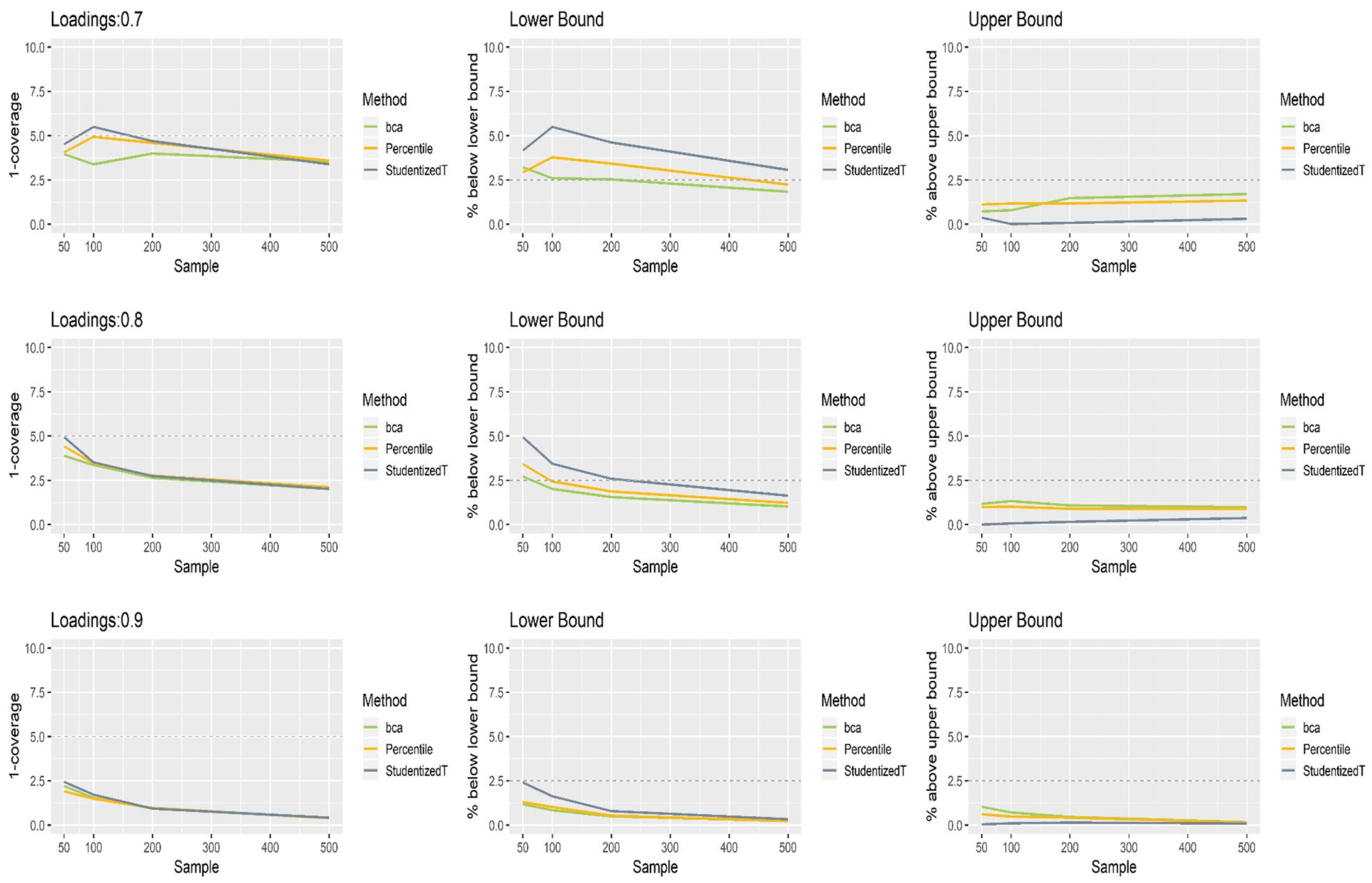
A grid of sampling-distribution plots across structural path coefficients and sample sizes. Dashed curves show null distributions; histograms show alternative distributions, with blue rejection-region bars and white non-rejection bars.Figure 10 · View figures
2025Peer-reviewed article

Influence of Genetic Polymorphism and Trauma on Cortical Structures and PTSD Severity: Imaging Genetics Generalized Structured Component Analysis

Jin, M. J. · Cho, G. · Jeon, H. · Choi, Y. · Hwang, H. · Lee, S.-H.

Frontiers in Psychiatry, 16, 1613322

Applications
Structural Equation Modeling

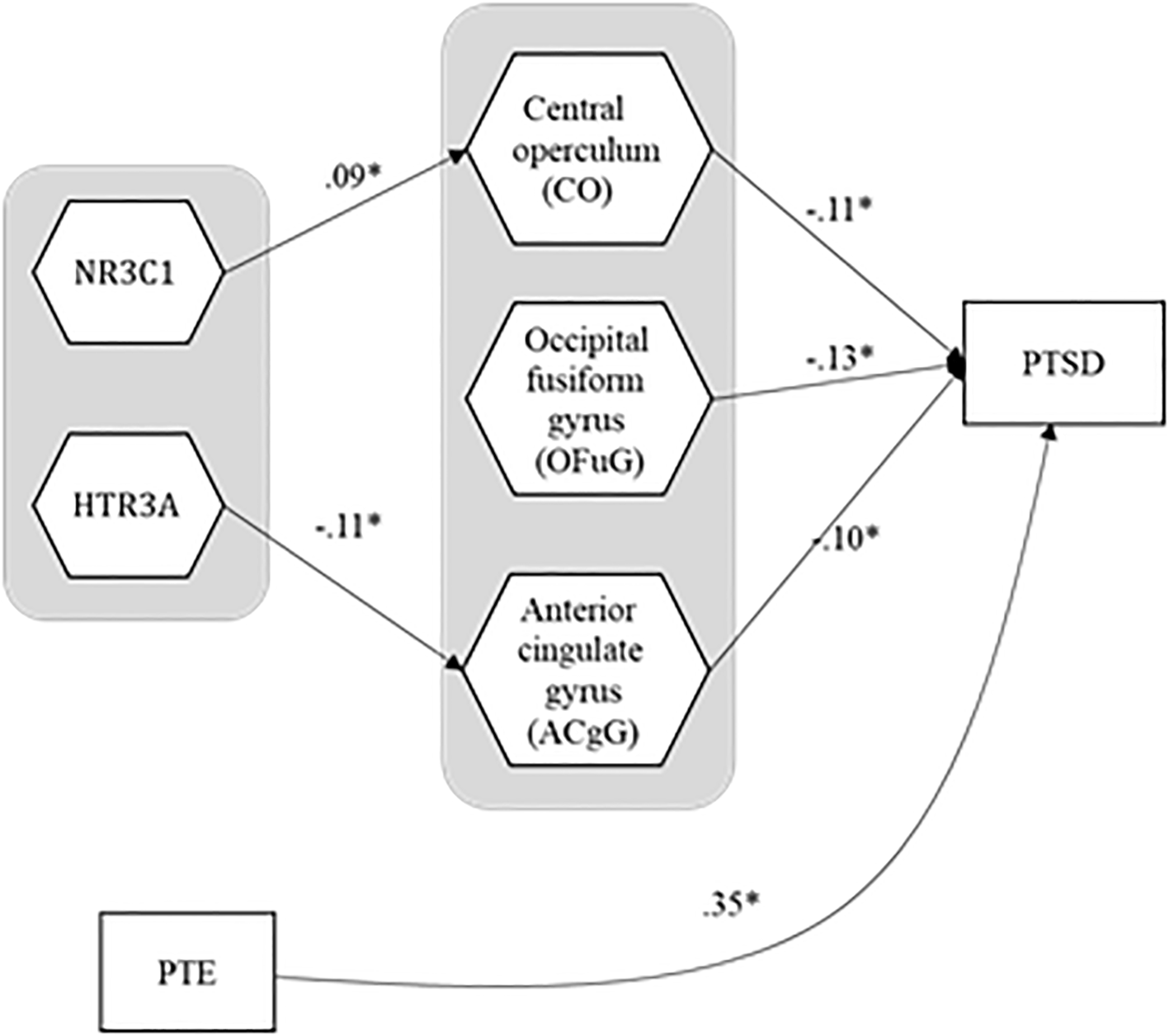
Collaborative empirical research connecting genetic variation, trauma, cortical structures, and PTSD severity.

Author’s introduction (LinkedIn)

Journal DOI: 10.3389/fpsyt.2025.1613322 Open access

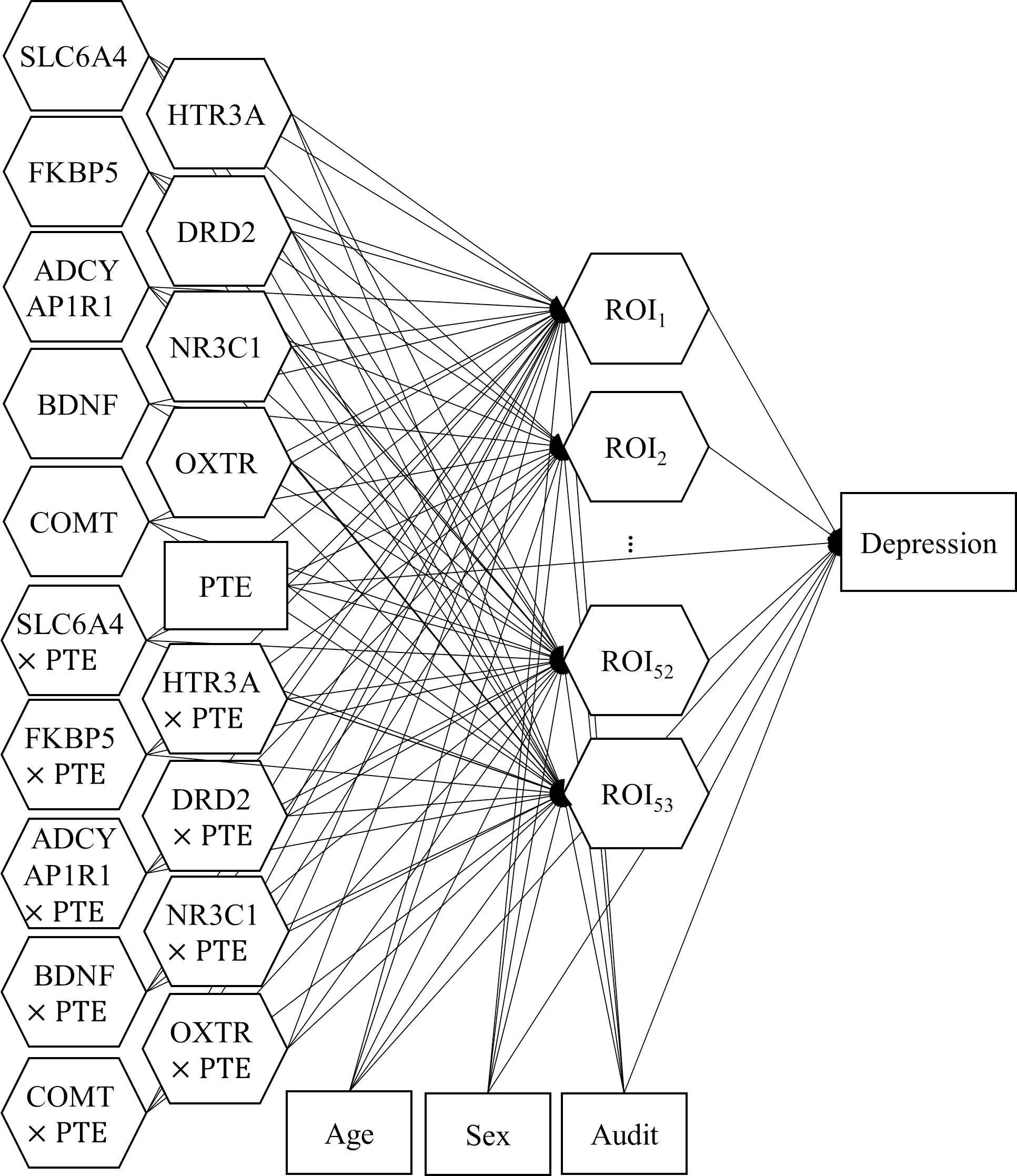
The estimates for the path coefficients that form statistically significant linkages from genes and PTE to ROIs to PTSD symptom severityFigure 2 · View figures
2024Peer-reviewed article

Gene–Environment Pathways to Cognitive Intelligence and Psychotic-Like Experiences in Children

Junghoon Park · Eunji Lee · Gyeongcheol Cho · Heungsun Hwang · Bo-Gyeom Kim · Gakyung Kim · Yoonjung Yoonie Joo · Jiook Cha

eLife, 12, RP88117

Applications
Structural Equation Modeling

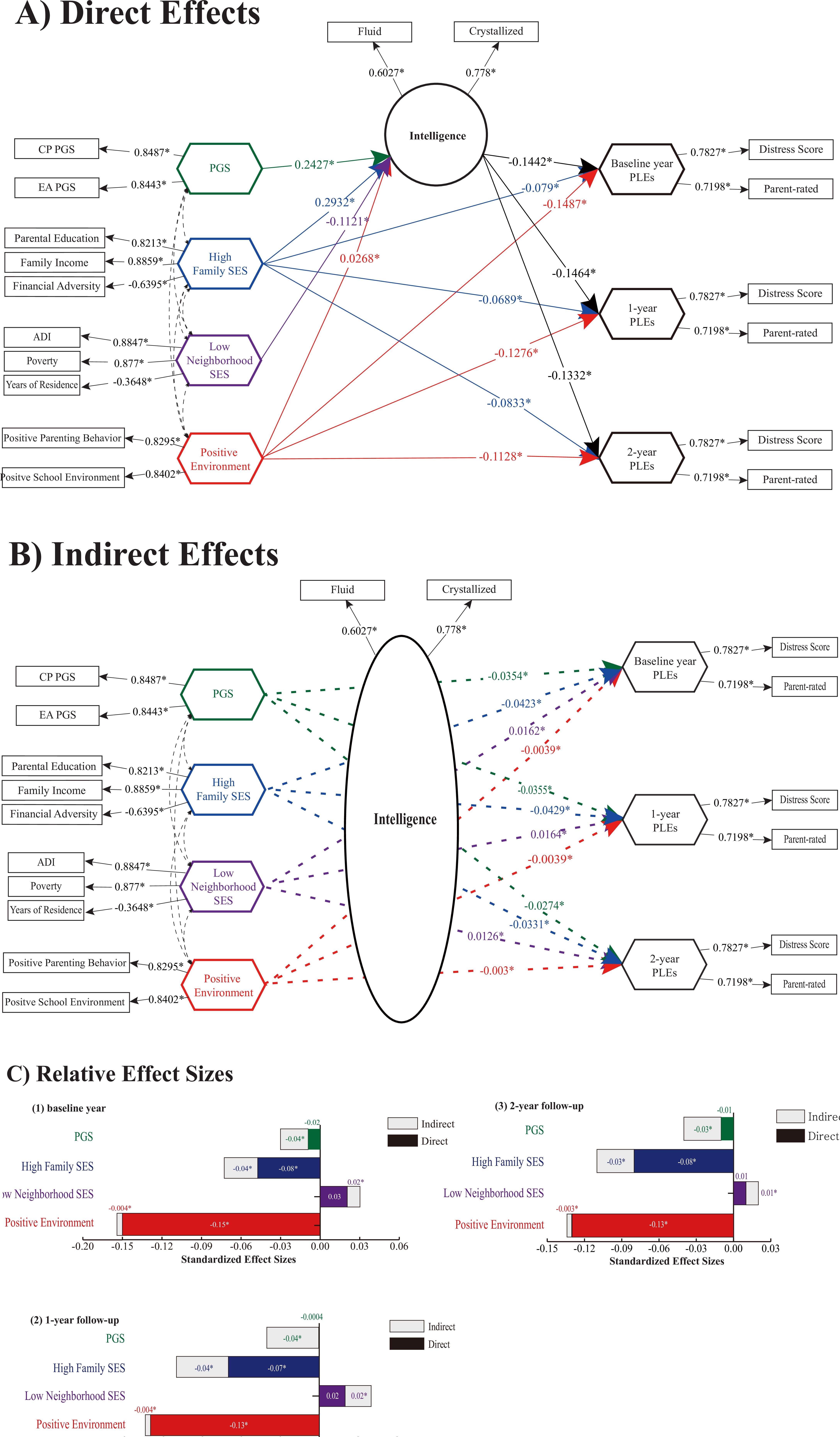
Collaborative research on gene–environment pathways, cognitive development, and psychotic-like experiences.

Journal DOI: 10.7554/eLife.88117 Open access

Preprint DOI: 10.7554/eLife.88117.2

Preprint DOI: 10.7554/eLife.88117.3

Direct/indirect effects of gene–environment factors to cognitive and PLEs outcomes.Figure 3 · View figures
2024Peer-reviewed article

Same Model, Same Data, but Different Outcomes: Evaluating the Impact of Method Choices in Structural Equation Modeling

Sarstedt, M. · Adler, S. · Ringle, C. M. · Cho, G. · Diamantopoulos, A. · Hwang, H. · Liengaard, B.

Journal of Product Innovation Management, 41(6), 1100–1117

Methodology
Structural Equation Modeling

How choices among SEM methods can influence the conclusions drawn from the same model and data.

Journal DOI: 10.1111/jpim.12738 Open access

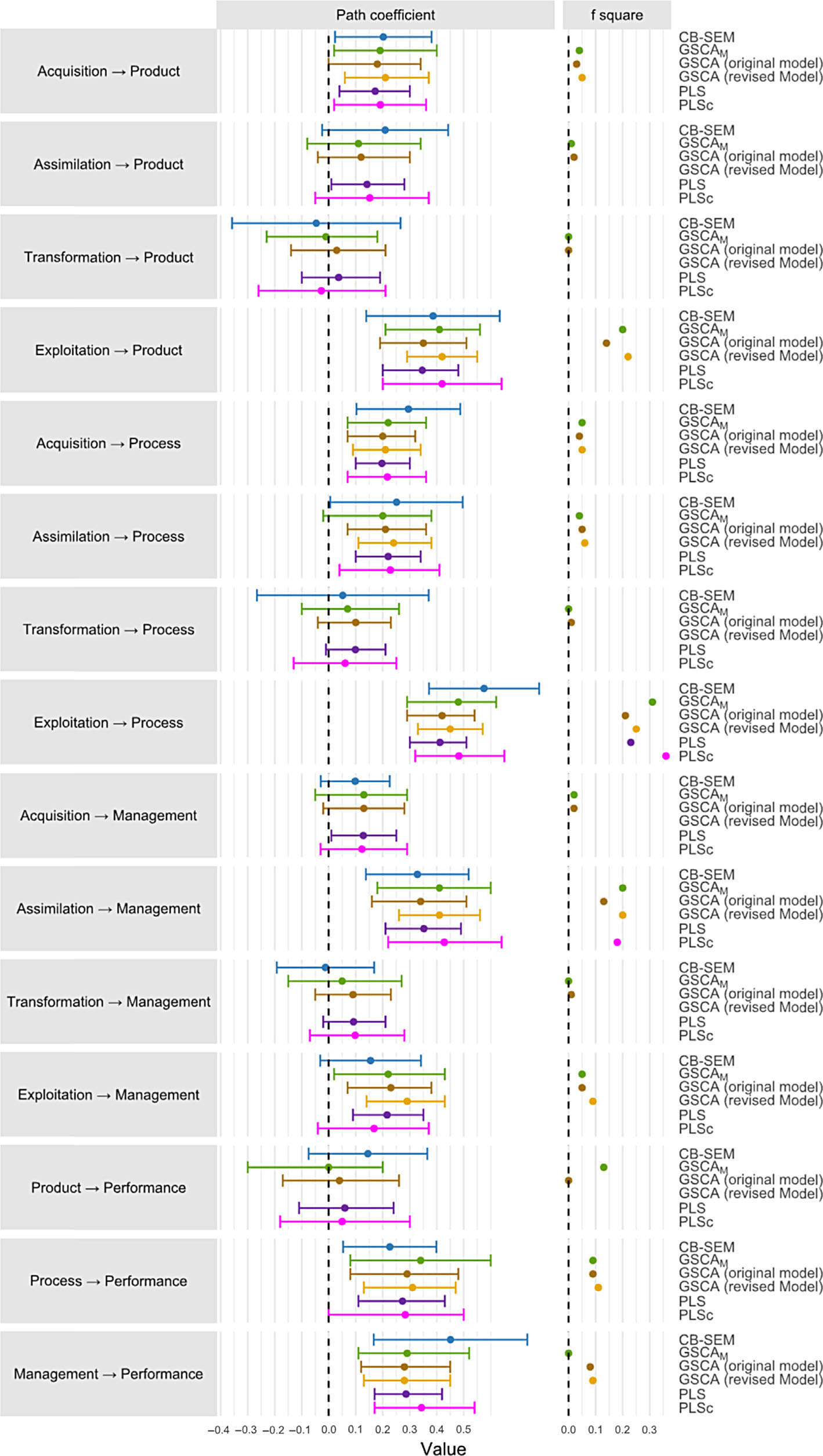
Comparison of estimated structural paths and confidence intervals across SEM methods in the empirical application.Figure 4 · View figures
2021Peer-reviewed article

A Knowledge-Based Multivariate Statistical Method for Examining Gene-Brain-Behavioral/Cognitive Relationships: Imaging Genetics Generalized Structured Component Analysis

Hwang, H. · Cho, G. · Jin, M. J. · Ryoo, J. H. · Choi, Y. · Lee, S.-H.

PLOS One, 16(3), e0247592

Methodology
Structural Equation Modeling

A multivariate methodological framework for relationships among genetic, brain, behavioral, and cognitive measurements.

Journal DOI: 10.1371/journal.pone.0247592 Open access

The structural model specified for the gene-brain-depression dataFigure 2 · View figures
2018Peer-reviewed article

Screening Tool for Anxiety Disorders: Development and Validation of the Korean Anxiety Screening Assessment

Yeseul Kim · Yeonsoo Park · Gyeongcheol Cho · Kiho Park · Shin-Hyang Kim · Seung Yeon Baik · Cho Long Kim · Sooyun Jung · Won-Hye Lee · Younyoung Choi · Seung-Hwan Lee · Kee-Hong Choi

Psychiatry Investigation, 15(11), 1053–1063

Applications

Collaborative development and evaluation of a Korean anxiety screening instrument.

Journal DOI: 10.30773/pi.2018.09.27.2 Open access

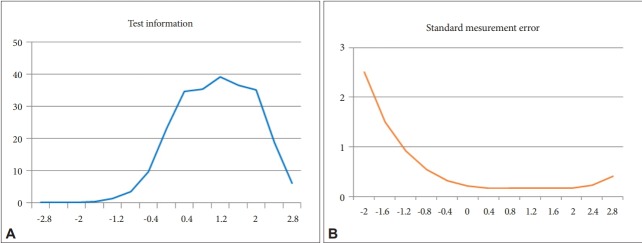
Test information curve (TIC) of the K-ANX (A); standard error of measurement of the K-ANX (B)Figure 1 · View figures

Public research pipeline

Preprints

Publicly shared manuscript versions make developing research available for discussion. A preprint version may differ from a later peer-reviewed article. When journal publication is verified, the same record moves into the peer-reviewed list and keeps its earlier versions.

2026Preprint version

Psychological Resources Confer Greatest Protection Against Late-Life Depression in Genetically Vulnerable Adults

Yoonjung Joo · Chaeyoon Shin · Junghoon Park · Jiook Cha · Gyeongcheol Cho · Jong Hyun Jung

Applications
Structural Equation ModelingMachine Learning/AI

Collaborative longitudinal research uses machine learning, regression, and generalized structured component analysis to study psychological resources, genetic vulnerability, and depressive symptoms in later life.

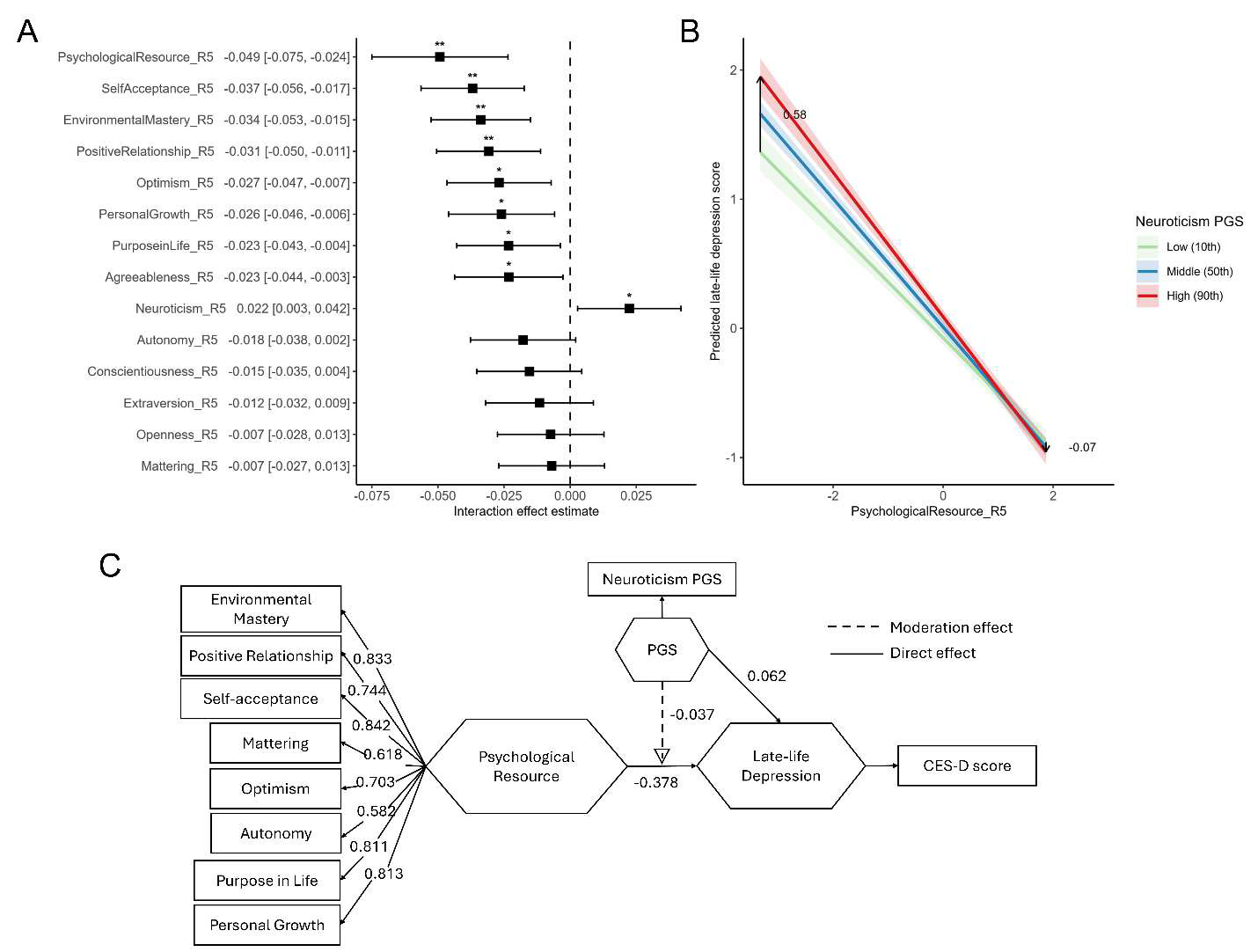
Three panels show interaction estimates, predicted depression across psychological resource levels by neuroticism polygenic score, and a GSCA path diagram of the moderation model.Figure 3 · View figures